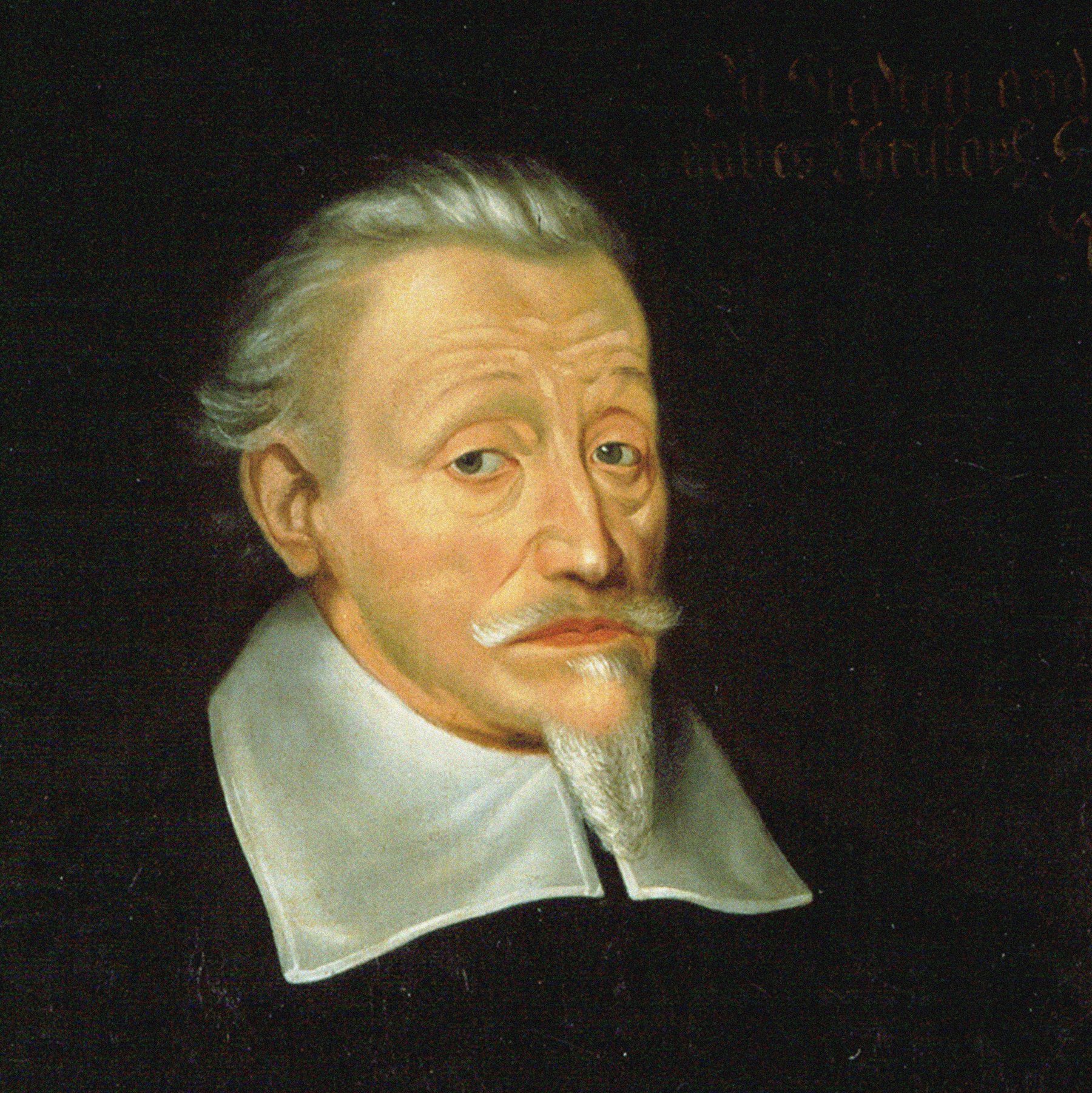
Long before he became the most important German composer of the seventeenth century, Heinrich Schütz was just a kid singing around his family’s inn in Weißenfels. As it happened, a traveling musician was staying there, heard the boy, and told his parents the child had a voice worth training. That single overheard performance is essentially the reason we have a body of German sacred music at all — without it, Schütz might have spent his life running an inn instead of reshaping how Germany wrote for the choir.

The family home in Weißenfels still stands today, restored and turned into a museum dedicated to him — a nice bit of continuity for a composer whose entire career was, in a sense, about carrying something forward. He went on to study in Venice, absorbing the Italian style that was rewriting the rules of European music at the time, and brought it home with him. From there he took the post of court composer in Dresden, where he’d spend the bulk of his working life writing music for both church services and state occasions.
What makes Schütz worth remembering isn’t just the Italian polish, though. He fused it with the theological convictions of the Lutheran church he’d grown up in, and the result was choral music with a dramatic, almost theatrical intensity that hadn’t really existed in German sacred music before him. He wasn’t imitating Venice; he was translating it into something distinctly German, and in doing so, he more or less put German music on the map for the first time.
His personal life wasn’t without tragedy — he lost his wife and a child early on — but he lived to eighty-seven, an extraordinarily long life for the era, and kept composing for most of it.
A few milestones
- 1609 — Travels to Venice to study under Giovanni Gabrieli
- 1615 — Takes up his post at the Dresden court
- 1627 — Stages Dafne, generally considered the first German opera
- 1629 — Publishes his first book of Symphoniae sacrae (Sacred Symphonies)
- 1633 — Begins a stint at the Copenhagen court
- 1636 — Publishes his first Geistliche Concerte, concertos for voices and instruments
Not bad for a kid who got discovered singing at his parents’ inn.


