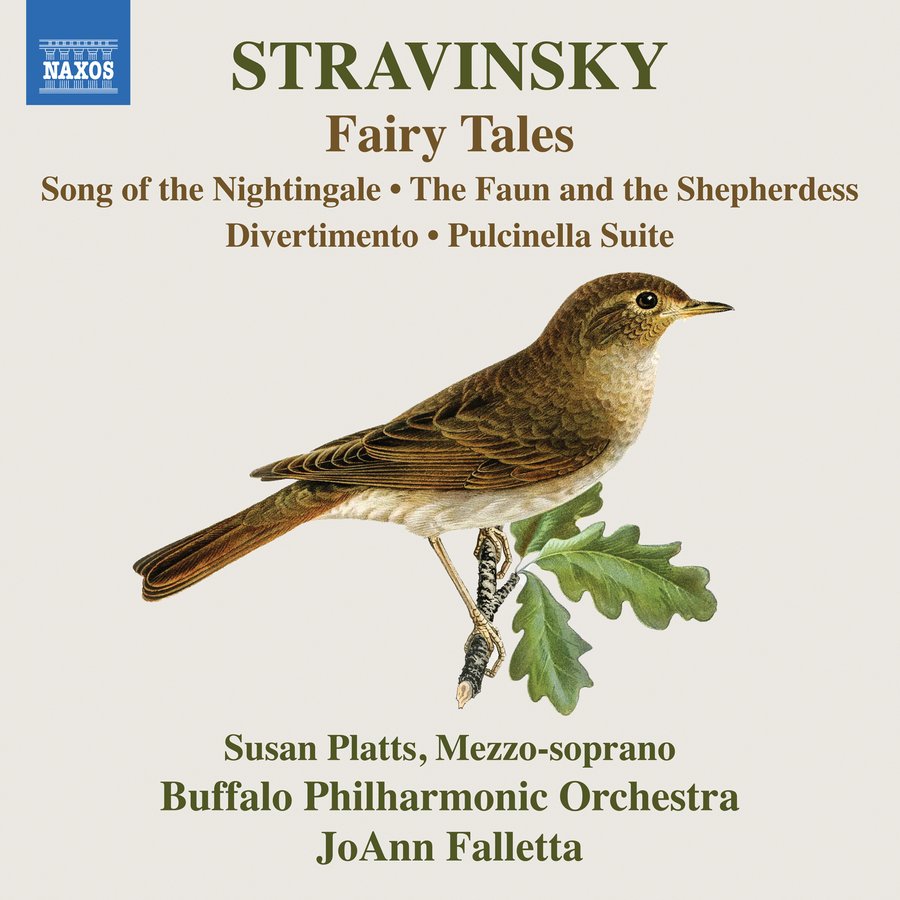
Susan Platts, Buffalo Philharmonic Orchestra, Joann Falletta
Naxos · 8574735 · 79 minutes
Stravinsky’s so-called “fairy tale” pieces occupy this wonderfully strange corner of his output — think Renard, The Soldier’s Tale, and Mavra — where folk grotesquerie and neoclassical wit collide in ways that still feel genuinely surprising. Falletta brings exactly the kind of rhythmic clarity and affection for color that this music demands, keeping everything crisp without draining the life out of it. Susan Platts is a natural fit for the vocal writing here, and at 79 minutes, the disc feels like a real gift to anyone ready to spend time in Stravinsky’s more intimate, offbeat world.
“This is a generous, thoroughly recommendable collection… everything is unfailingly musical… JoAnn Falletta and the Buffalo Philharmonic more than hold their own in such company, a tribute to…”
— Gramophone Magazine, June 2026
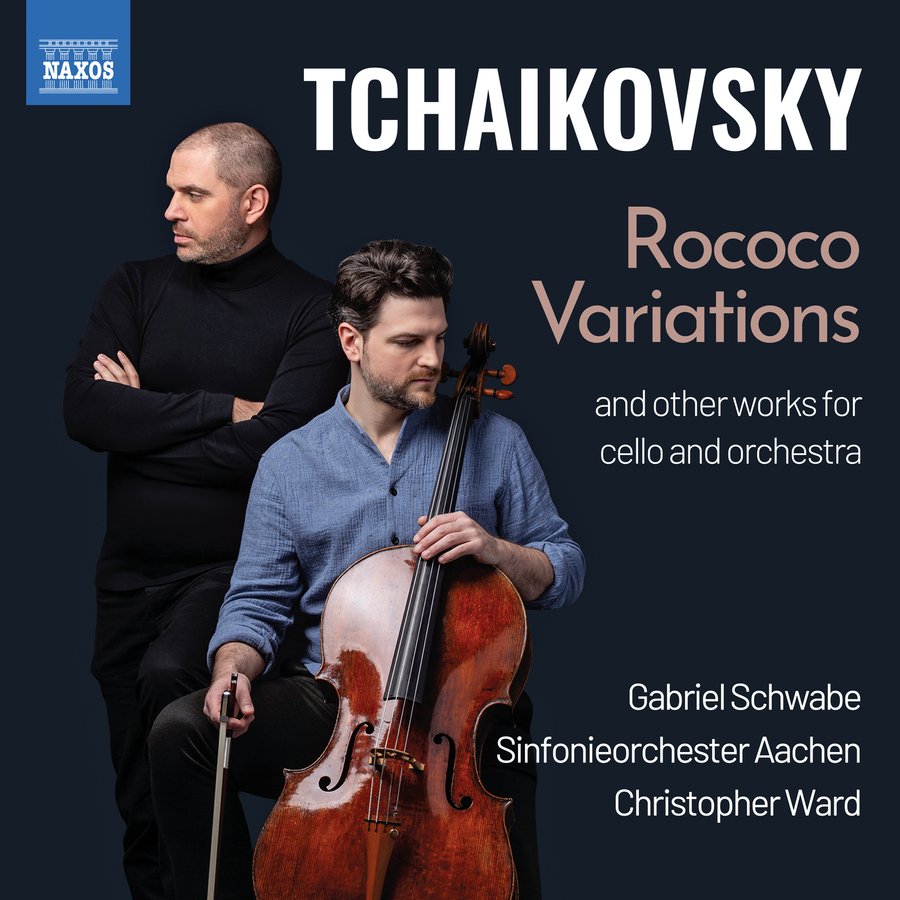
Gabriel Schwabe (cello), Sinfonieorchester Aachen, Christopher Ward
Naxos · 8574741 · 56 minutes
The Rococo Variations has a funny duality to it — Tchaikovsky wrapping his big, emotive Russian heart inside a tidy classical frame — and Schwabe leans right into that tension, delivering those ferocious demisemiquaver runs with a speed that genuinely stops you mid-listen. What makes this disc especially tempting is the broader program of works for cello and orchestra, which fills out a corner of the repertoire that doesn’t always get this kind of focused attention. If you’re the type who keeps a running list of gaps to fill, this one belongs on it.
“[Schwabe] certainly has the technical chops to make one gasp at his lightning delivery of the delirious demisemiquaver passages… All these are very well done and repertoire junkies will want…”
— Gramophone Magazine, July 2026
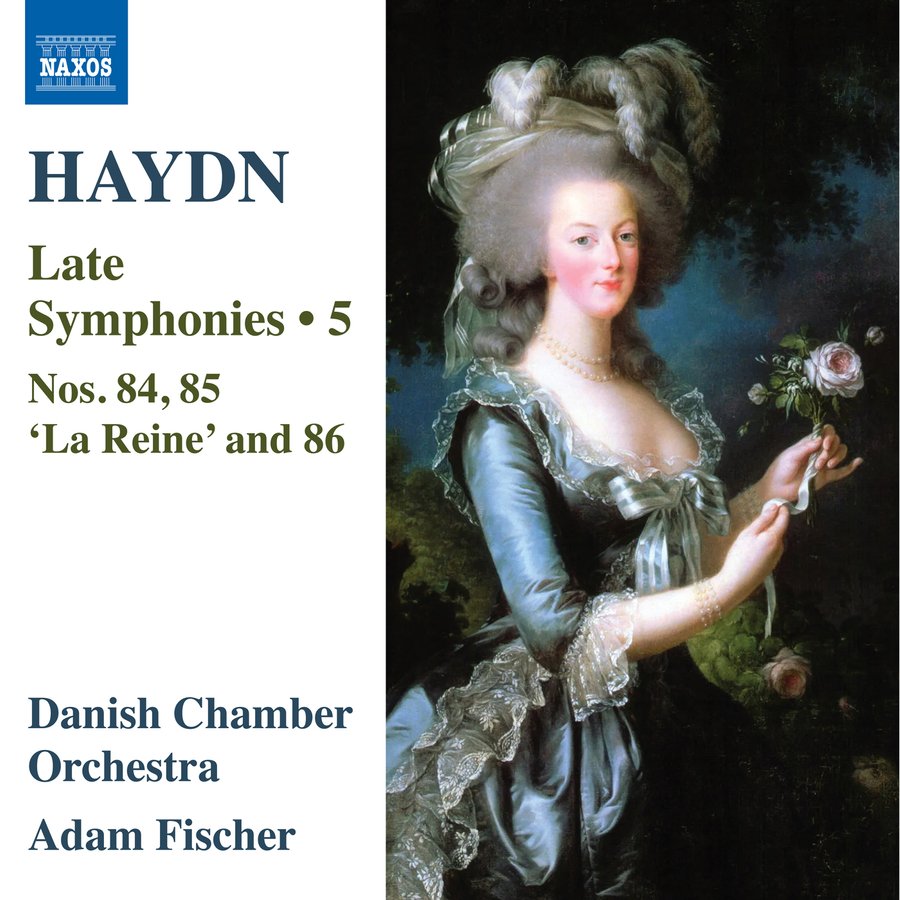
Danish Chamber Orchestra, Ádám Fischer
Naxos · 8574520 · 66 minutes
Haydn in his late symphonic mode is basically a composer who has figured out that surprise is its own form of argument — he plants a joke exactly where you expect gravitas, then turns earnest the moment you start laughing. Fischer and the Danish Chamber Orchestra have been working through this repertoire with a real sense of physical delight, keeping textures lean enough that every bassoon aside and woodwind color lands with proper comic timing. Volume 5 lands in June 2026, and if the previous installments are anything to go by, the slow movements alone will repay close listening on headphones.
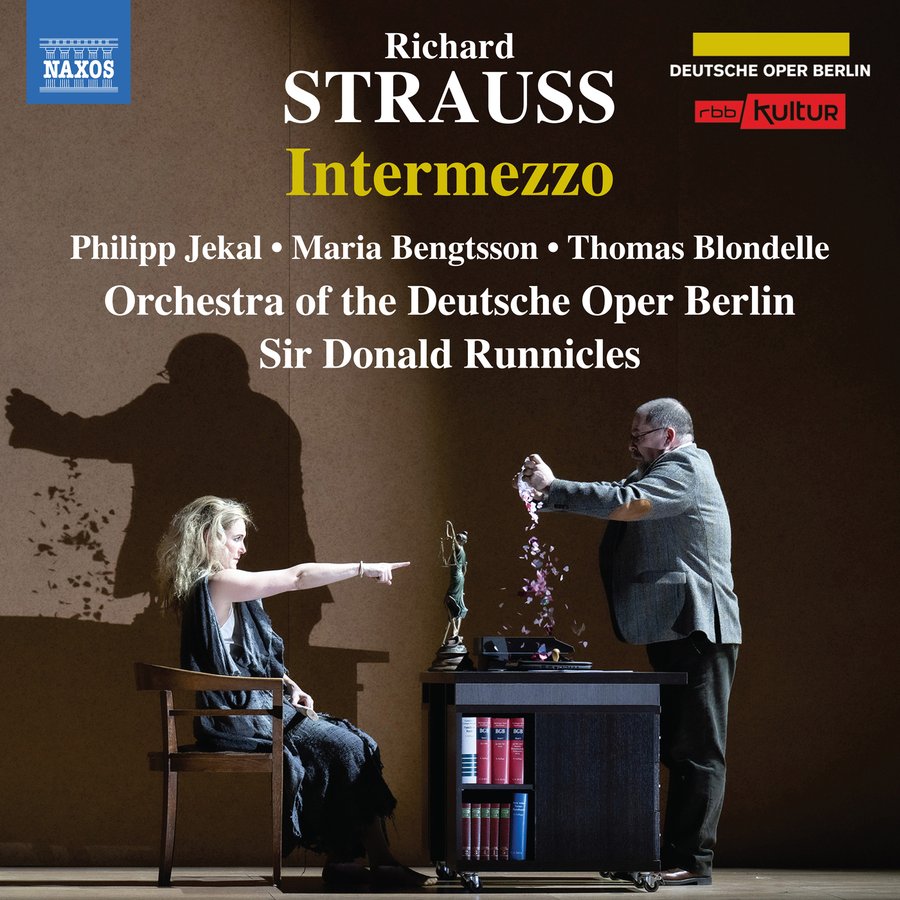
Philipp Jekal, Maria Bengtsson, Thomas Blondelle, Orchestra of the Deutsche Oper Berlin, Sir Donald Runnicles
Naxos · 8660584-85 · 2 hours 30 minutes
Richard Strauss wrote Intermezzo as a kind of domestic confession — a semi-autobiographical comedy about his own marriage, complete with a near-disastrous misunderstanding and a lot of sharp-tongued bickering — and it needs performers who can make that conversational, almost spoken quality of the vocal writing feel totally natural. Maria Bengtsson and Philipp Jekal bring exactly that kind of ease to the roles of Christine and Robert Storch, and with Runnicles shaping the orchestra’s famously lush interludes with real affection, the whole thing breathes and sparkles the way Strauss intended. At two and a half hours it’s a generous sit, but Intermezzo rewards patience with some of the most warmly human music Strauss ever wrote.
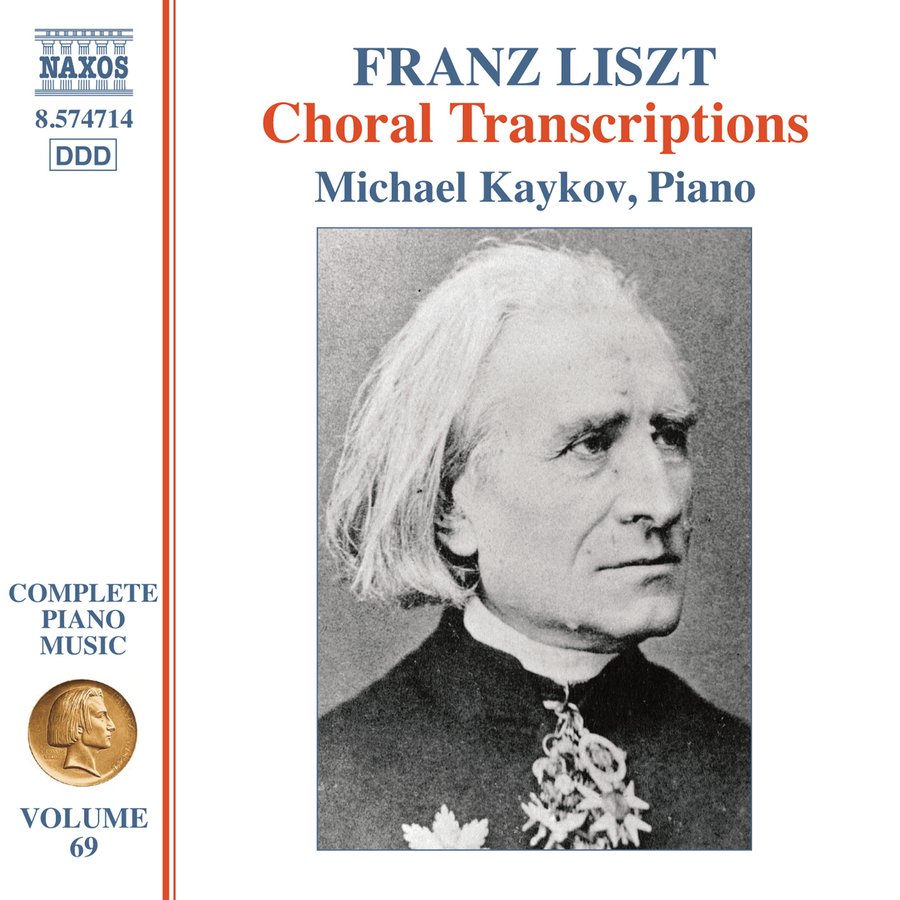
Michael Kaykov (piano)
Naxos · 8574714 · 60 minutes
Liszt spent decades returning to the same pieces, revising and reimagining them until they felt almost like a different composer’s work — and Vol. 69 of this enormous Naxos series lands right in that restless territory. Kaykov navigates the late piano pieces with a real sensitivity to Liszt’s stripped-back, almost harmonically homeless late style, where the bravura has dissolved and something stranger and more searching has taken its place. There’s a lot of patience required to play this music well, and from what’s here, Kaykov clearly has it.
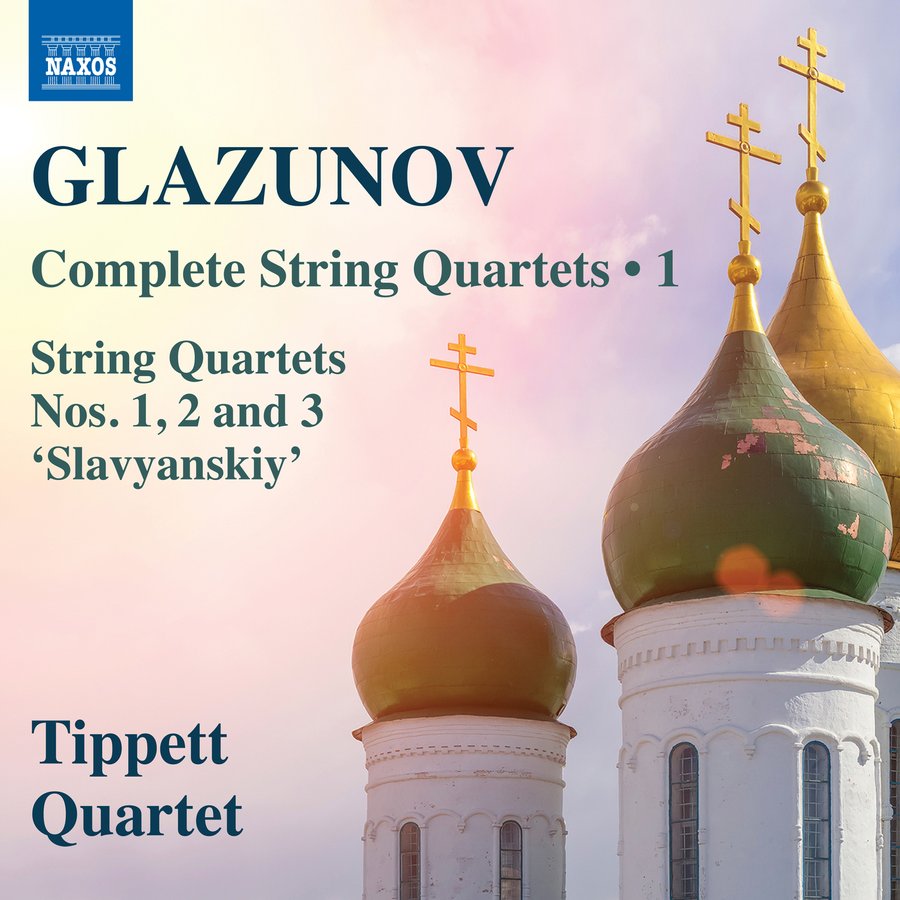
Tippett Quartet
Naxos · 8574716 · 81 minutes
Glazunov’s string quartets sit in a fascinating middle ground — steeped in the rich Russian Romantic tradition but with a formal elegance that owes more to Beethoven than to folk melody or nationalist flair. The Tippett Quartet leans into the music’s extrovert side, and when the writing has momentum and contrast, that energy genuinely pays off. Where it gets trickier is in the slower, more sustained passages, where Glazunov’s tendency to work the same thematic material a little too hard can feel even more pronounced under a bright, forward-moving approach.
“The Tippett Quartet brings much bright, extrovert energy to this music, but their approach occasionally works against music that already tends towards textural sameness and overworked thematic…”
— BBC Music Magazine, May 2026,3 out of 5 stars