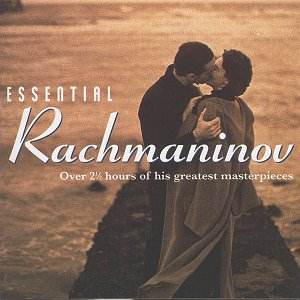
The Essential Rachmaninov
Sergei Rachmaninov (1873-1943)
Ashkenazy, Haitink, Renée Fleming, ECO, Tate, Previn, Gergiev, Kocsis, de Waart, Fistoulari, Korniev, Orozco, Lloyd Webber, Lenehan
DECCA 470 457-2 (79.10+79.35)
The Essential Rachmaninov
These compilation albums, cobbled together from the vaults—always a bit of a gamble, aren’t they? Decca has assembled nearly 160 minutes of Rachmaninov from recordings spanning 35 years, with predictable results. The conception is commercial rather than artistic, aimed squarely at the listener who wants Rachmaninov as aural wallpaper for that cross-country drive. Nothing wrong with that, necessarily. But let’s not pretend this is essential anything.
The backbone here is Ashkenazy—as pianist, as maestro, sometimes both. His Piano Concerto No. 2 with Haitink and the Concertgebouw dates from the 1980s, and it’s precisely the sort of performance that gives this work its soporific reputation. Everything is beautifully shaped, the Amsterdam strings produce that characteristic burnished glow, the piano tone is impeccable. Yet something vital is missing. The Adagio sostenuto unfolds with such studied languor that you could set your watch by the rallentandos. Where’s the dangerous undertow, the neurotic edge that makes Rachmaninov more than just sonic chocolate? Haitink keeps everything tasteful, controlled—which is to say, slightly anesthetized. The finale does rouse itself, but by then the damage is done.
More interesting: the Kocsis Paganini Rhapsody with the San Francisco Symphony under de Waart. Here at least there’s some sparkle, some rhythmic bite. Kocsis understands that Variation 18 (that melody, the one everyone knows) gains power from what surrounds it—the brittle brilliance of the earlier variations, the sardonic wit. The Philips engineering captures the piano with unusual clarity, each attack precisely focused without turning brittle. You hear the hammers hit the strings.
The oldest recording proves the most valuable: Ashkenazy’s 1963 account of the first movement from Piano Concerto No. 3 with Fistoulari and the LSO. There’s tape hiss, yes, but also something irreplaceable—a young pianist who hasn’t yet learned to be careful. He takes risks in the cadenza, the passagework has real danger to it. The orchestral balances are crude by modern standards (those trumpets!), but Fistoulari generates genuine momentum. Why not include the complete concerto? Surely we didn’t need both the Lloyd Webber cello arrangement of the F minor Romance and the Ampico piano roll.
Speaking of which: that 1926 Kreisler-Rachmaninov “Liebesfreud” is fascinating as document, less so as music-making. The mechanical reproduction flattens dynamics, makes everything sound equally emphatic. Still, you glimpse the composer’s own virtuosity—those left-hand octaves nearly drown poor Kreisler’s tune in Rachmaninoffian turbulence.
The choral excerpt from the All-Night Vigil provides welcome contrast, though calling the St. Petersburg Chamber Choir a chamber ensemble stretches the term. Vladimir Mostovoy’s tenor soars above the basses with appropriate Slavic intensity in “Nunc dimittis,” and Nikolai Korniev doesn’t over-sentimentalize. But one movement from the Vespers? It’s like serving a single oyster and calling it a seafood dinner.
Gergiev’s “Adagio” from Symphony No. 2 with the Kirov Orchestra exemplifies a different problem. The Kirov strings produce that distinctive Russian sound—slightly raw, emotionally direct, vibrato that throbs rather than shimmers. But Gergiev’s tempo is so broad that the line sags. Rachmaninov marked this Adagio ma non troppo, and that “ma non troppo” matters. The music needs to breathe, not gasp.
Better: Ashkenazy conducting the Concertgebouw in the opening of the Symphonic Dances. Here his literalism serves the music—the “Non allegro” emerges with proper weight, the brass snarls genuinely threaten, the rhythmic displacements land with real impact. You hear why this was Rachmaninov’s final orchestral statement, how he’d absorbed something from Stravinsky and Prokofiev without abandoning his own idiom. The Amsterdam brass section earns its paycheck in those fortissimo outbursts—black ink splashed across the page.
Renée Fleming’s “Vocalise” is… well, it’s Renée Fleming. Gorgeous tone, impeccable control, perfect intonation. Also slightly bland, the vocal line floating above Jeffrey Tate’s English Chamber Orchestra like expensive perfume. Rachmaninov conceived this as a wordless song, but Fleming makes it an étude in luminous singing. Sometimes that’s enough. Sometimes it isn’t.
Rafael Orozco turns up for the G minor Prelude, Op. 23 No. 5—one of those Leeds Competition winners from the 1970s who deserved better from the disc industry. His rendition is solid, thoughtful, a bit careful. The famous C-sharp minor Prelude gets Ashkenazy at his most soulful, rising from darkness to light with calculated effect.
No program notes, just track listings. The prospective buyer gets nearly three hours of music for midprice, drawn from generally respectable sources. As an introduction to Rachmaninov’s range, it covers the bases—concerti, symphonies, piano miniatures, choral music, even that piano roll. As a coherent artistic statement, it’s a hodgepodge.
The serious collector will already own superior versions of this repertoire. The casual listener might indeed find this useful for that long journey, though I’d argue that Rachmaninov experienced in fragments and excerpts—however well-played—is Rachmaninov diminished. This is the composer who thought in large spans, who built his structures with architectural logic even when drowning listeners in melody.
Essential? Hardly. Adequate? Mostly. A thoughtful gift for someone just discovering this music? Perhaps. But if you really want to understand why Rachmaninov matters, why he’s more than just lush tunes and Russian gloom, you’ll need to go elsewhere—to complete works, integral cycles, performances with something at stake. This is Rachmaninov as comfort food. Sometimes we all need comfort. But let’s not mistake it for nourishment.